Driving On-Farm Adoption of Carbon-Friendly Soil Management Practices across the Mallee
A collaborative Mallee project promoting soil amelioration to boost carbon storage, crop yields, and drought resilience.
Key objectives
Increase adoption of soil amelioration practices — Help Mallee farmers confidently implement soil improvement methods (deep soil disturbance with organic matter incorporation) to enhance soil health, crop performance, and drought resilience.
Demonstrate and communicate measurable benefits — Monitor and share long-term trial results showing how soil amelioration can increase soil carbon, boost yields, and protect fragile landscapes, using field days, demonstrations, and case studies.
Build a collaborative innovation network — Create a Farmer Innovation Platform linking farmers, advisers, and researchers to share data, experiences, and region-specific guidance for integrating soil amelioration into commercial farming systems.
About the project
This project aims to assist Mallee farmers in confidently adopting soil amelioration practices that enhance soil health, crop performance, and resilience to drought and climate change.
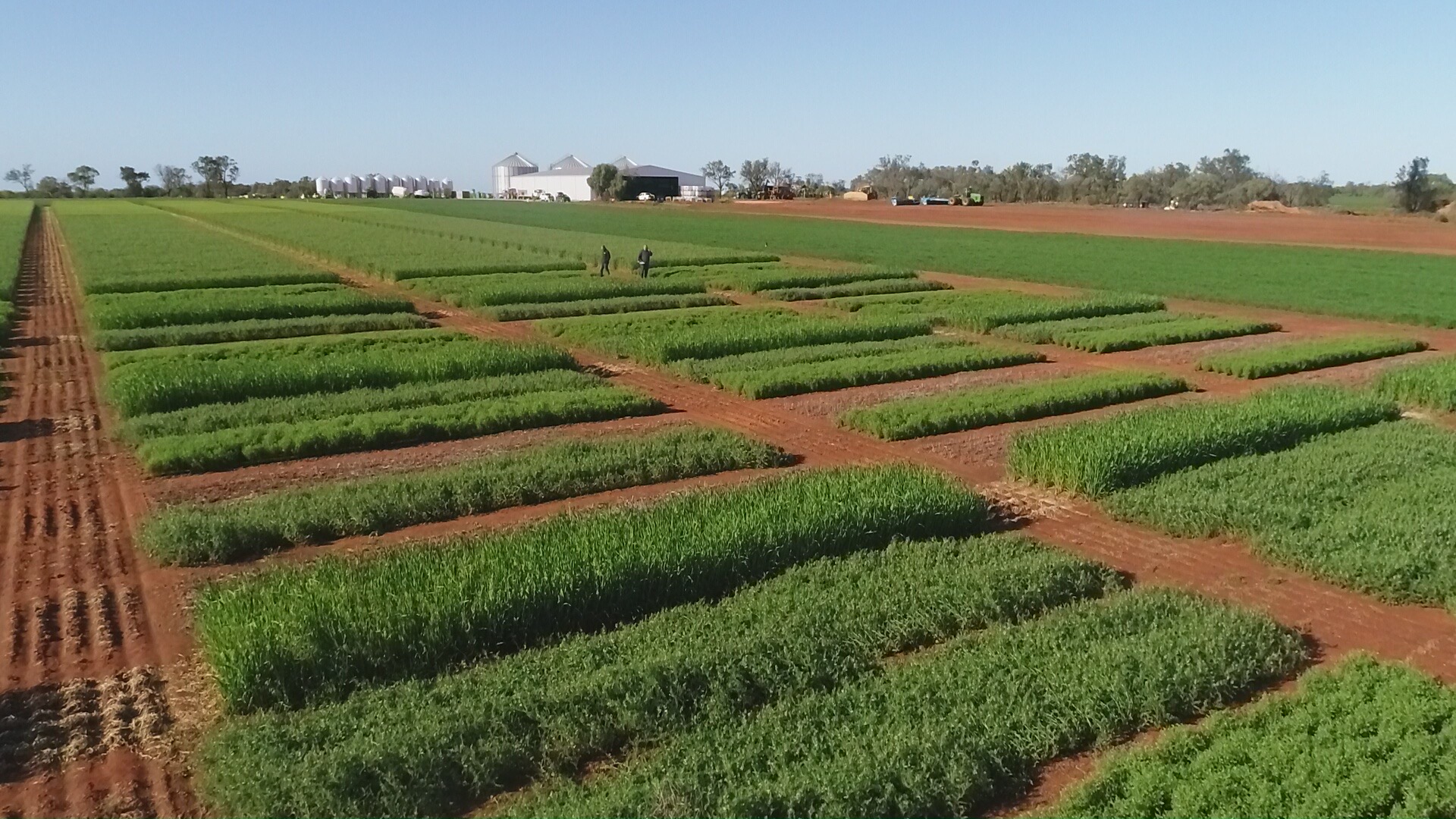
Working with local grower groups, the project will monitor and share long-term outcomes from existing on-farm trials to demonstrate how soil amelioration can increase soil carbon, boost yields, and safeguard fragile landscapes. Through field days, demonstrations, and an innovation platform connecting farmers, advisers, and researchers, MSF will deliver practical, region-specific guidance for integrating these techniques into commercial farming systems.
Why the Project is Being Conducted (the Research Question)
What are the Benefits of Soil Amelioration?
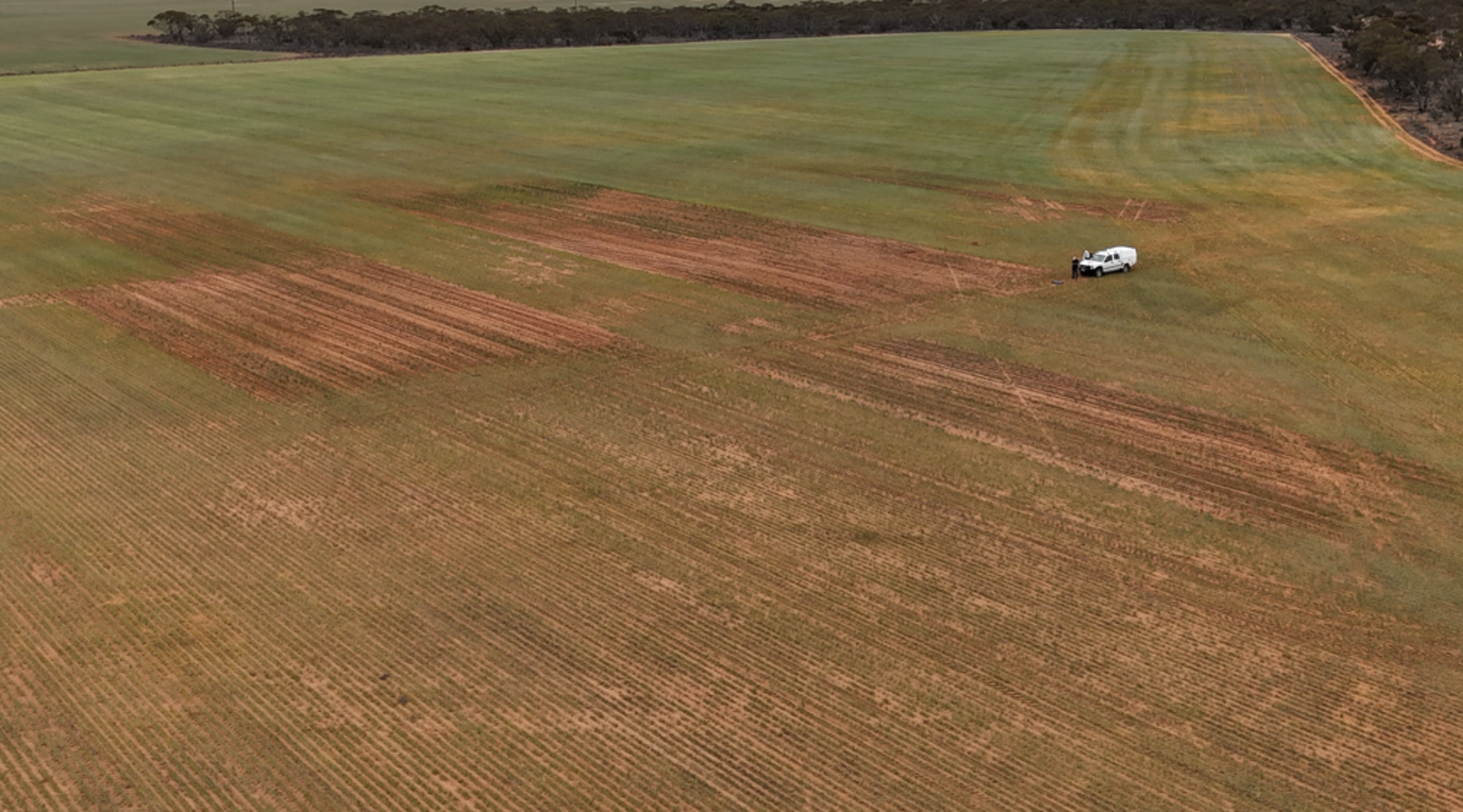
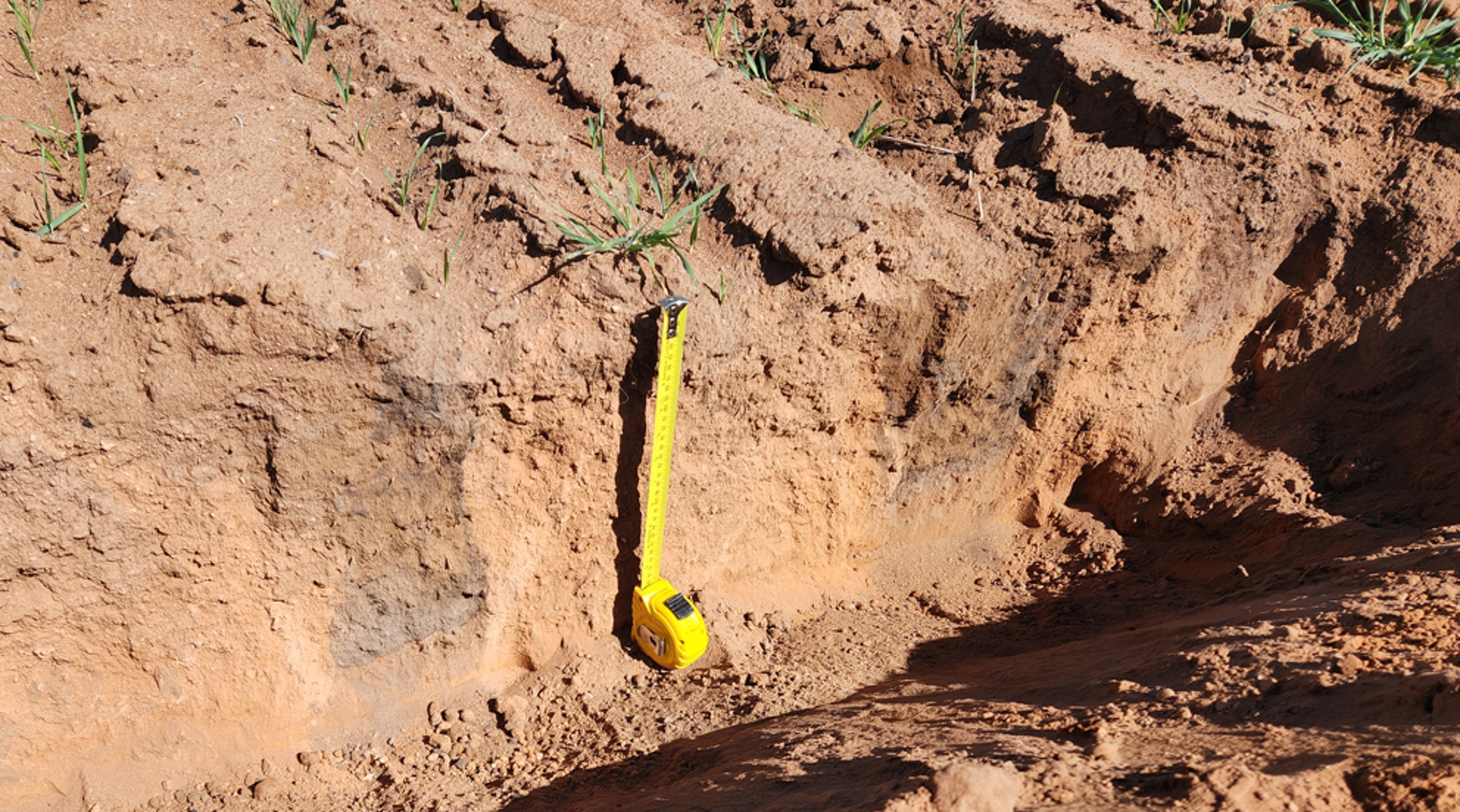
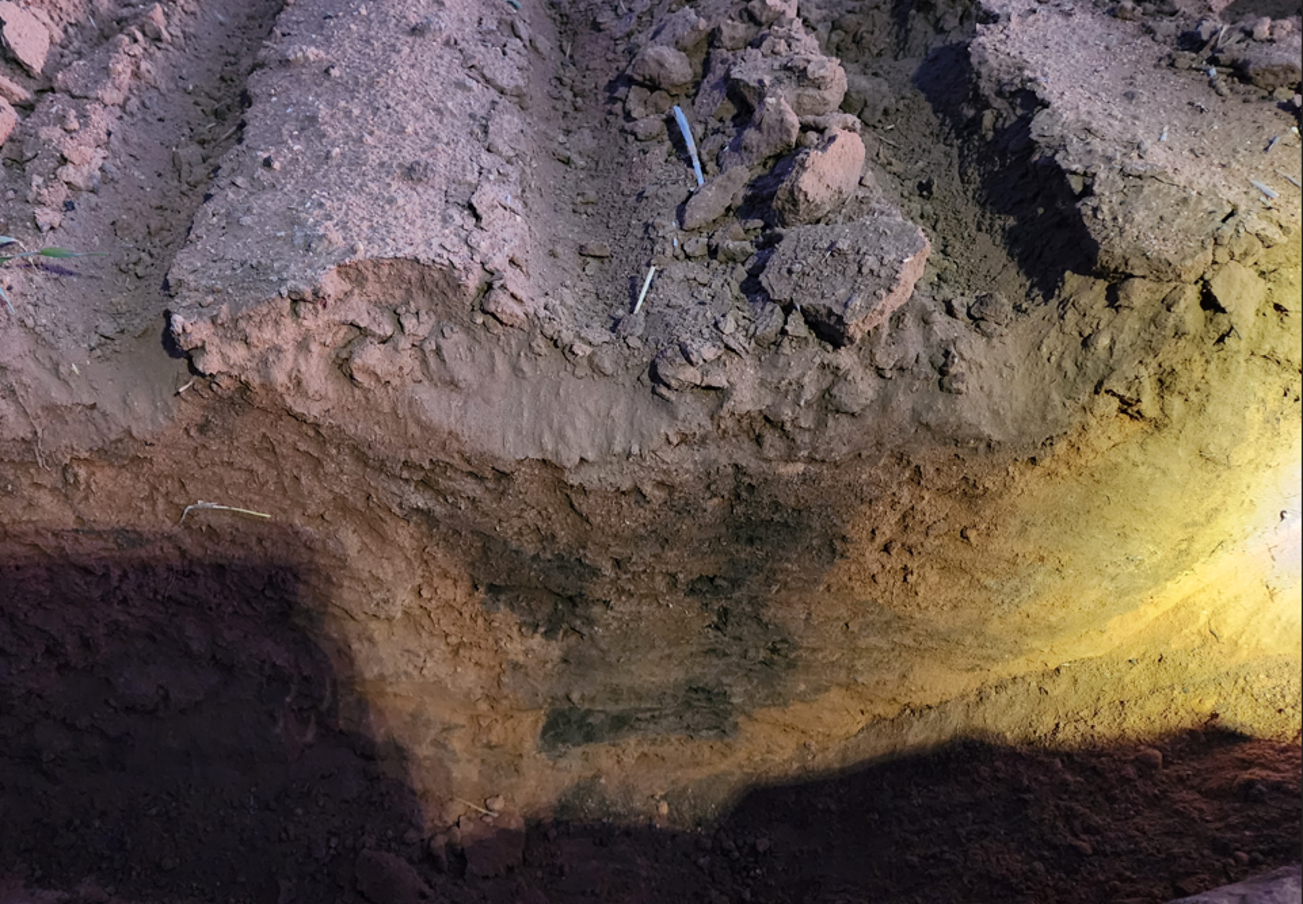
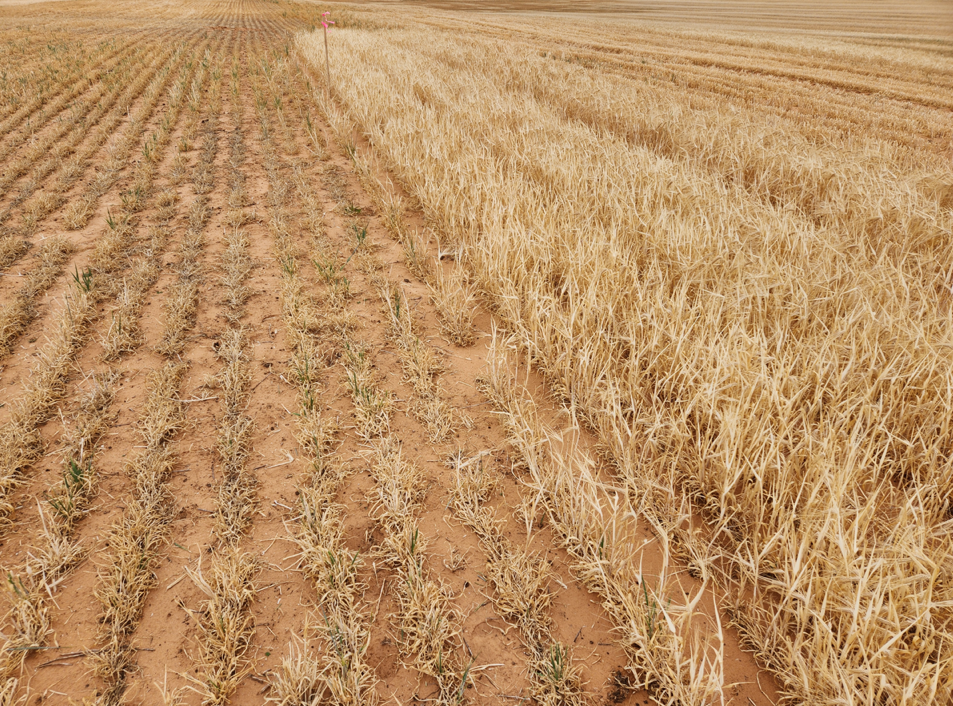
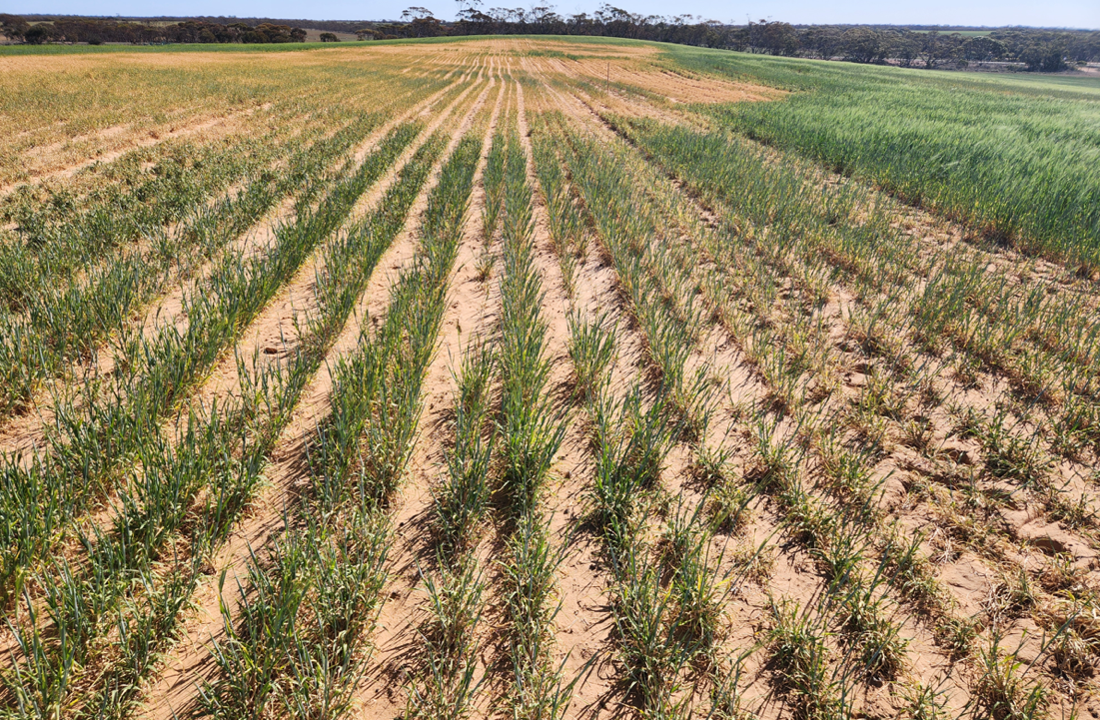
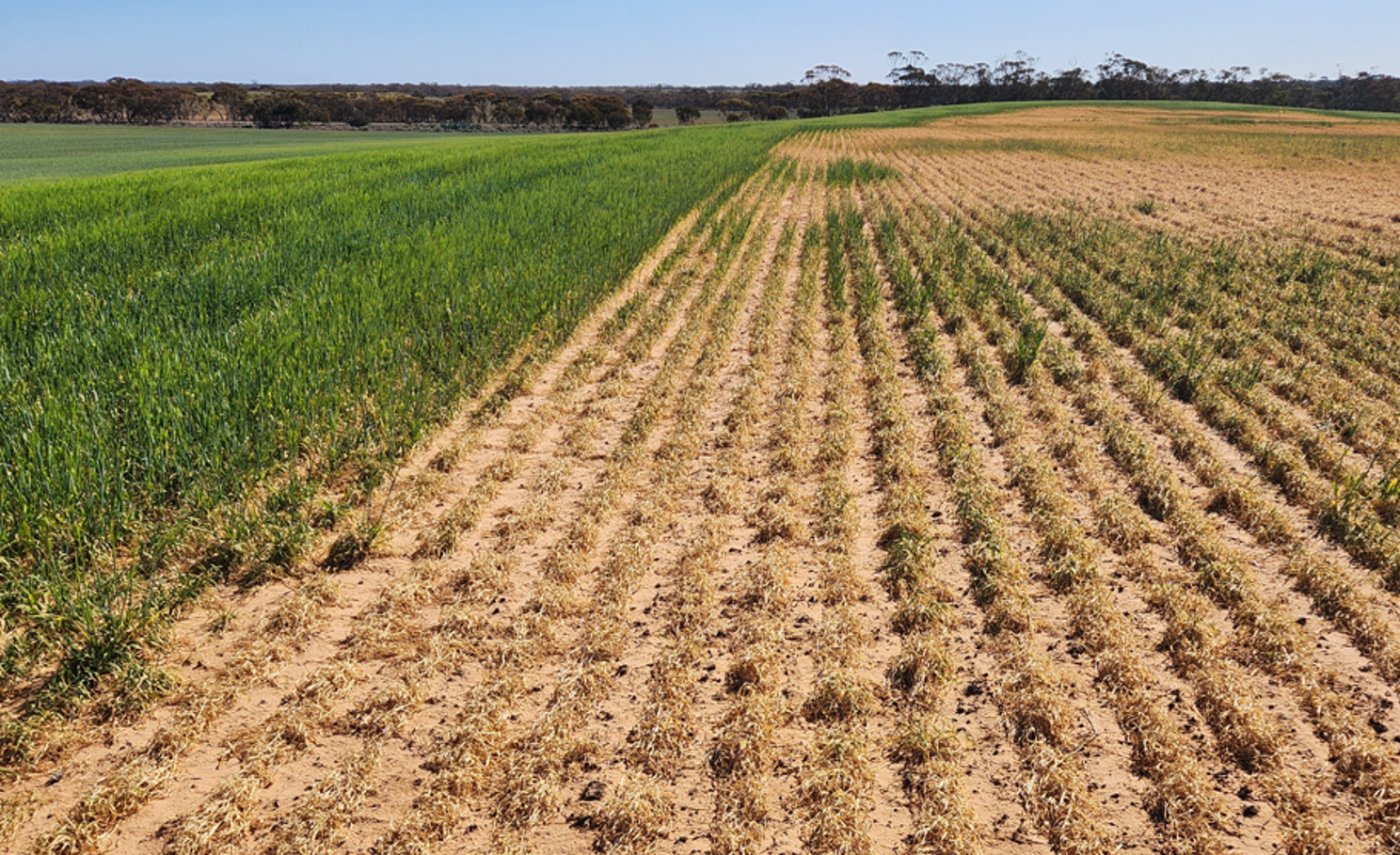
Soil amelioration has already yielded impressive results in the Mallee. Farmers and trials have demonstrated:
By enhancing soil function, amelioration can help create more resilient farming systems against drought and climate variability.


Where is the Project Being Conducted?
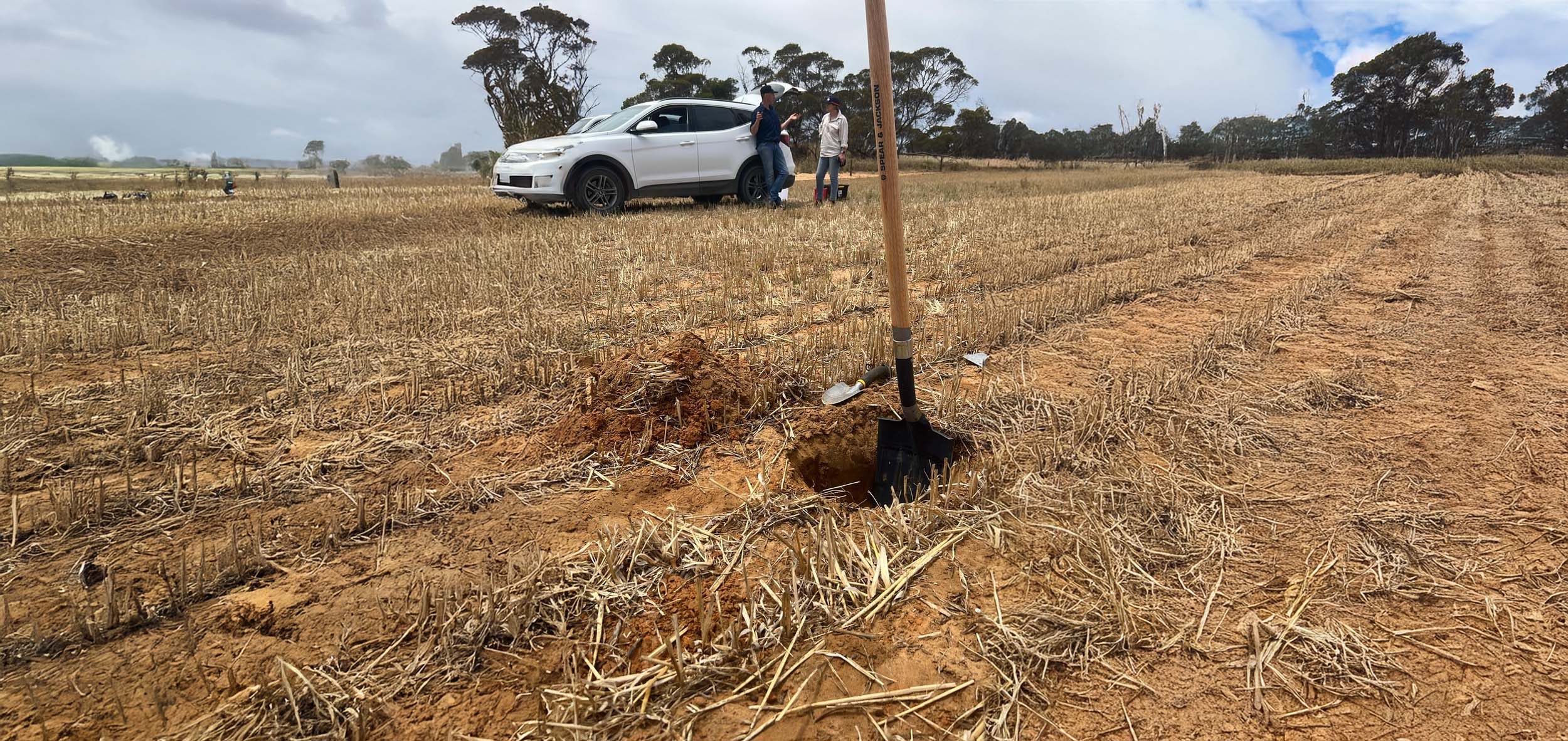
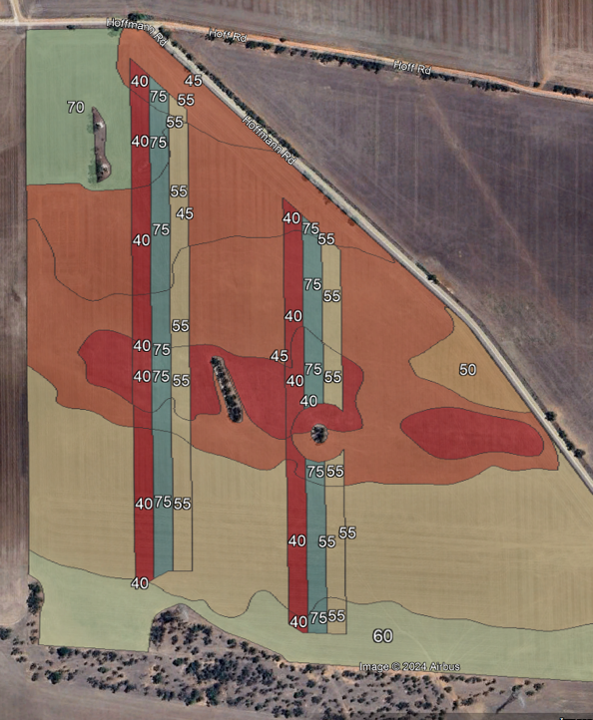
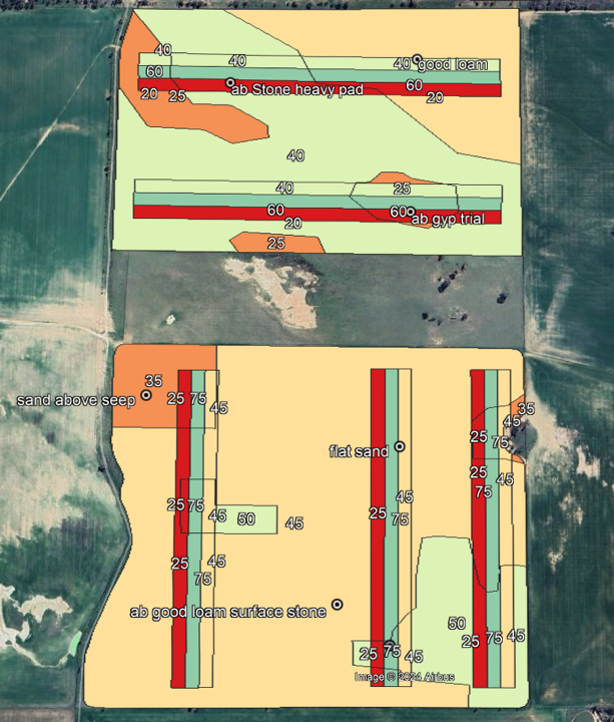
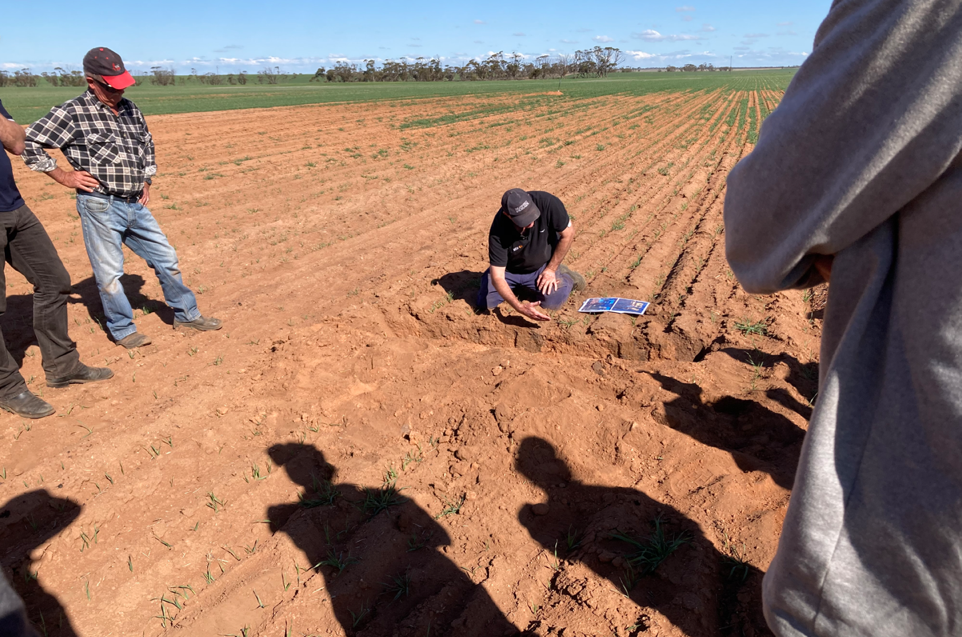
The project operates across key low-rainfall districts of the South Australian and Victorian Mallee, including Bow Hill SA, Lowbank SA, Browns Well SA, and the Millewa VIC. It focuses on monitoring three existing on-farm soil amelioration demonstration sites and supporting local farmer groups as they test and refine these practices under real paddock conditions.
Who is Conducting and Funding the Project?
The project is conducted by Mallee Sustainable Farming (MSF) in collaboration with local grower groups and research partners. It is funded by the Australian Government’s Future Drought Fund and the Carbon Farming Outreach Program.
The MSF project team includes:
Penny Roberts – Research Manager
Sarah Day – Communications and Extension Manager
Jay Cummins – Project Manager
Chris McDonough – Extension Agronomist


This project is supported by the Australian Government through funding from the Natural Heritage Trust under the Climate Smart Agriculture program.
Project Activities
The project combines scientific monitoring, farmer participation, and knowledge sharing to promote soil amelioration across the Mallee.
Key activities include:
Field Monitoring (2025–26): Track soil fertility, carbon levels, and crop performance at demonstration sites in Bow Hill, Lowbank, Browns Well, and Millewa.
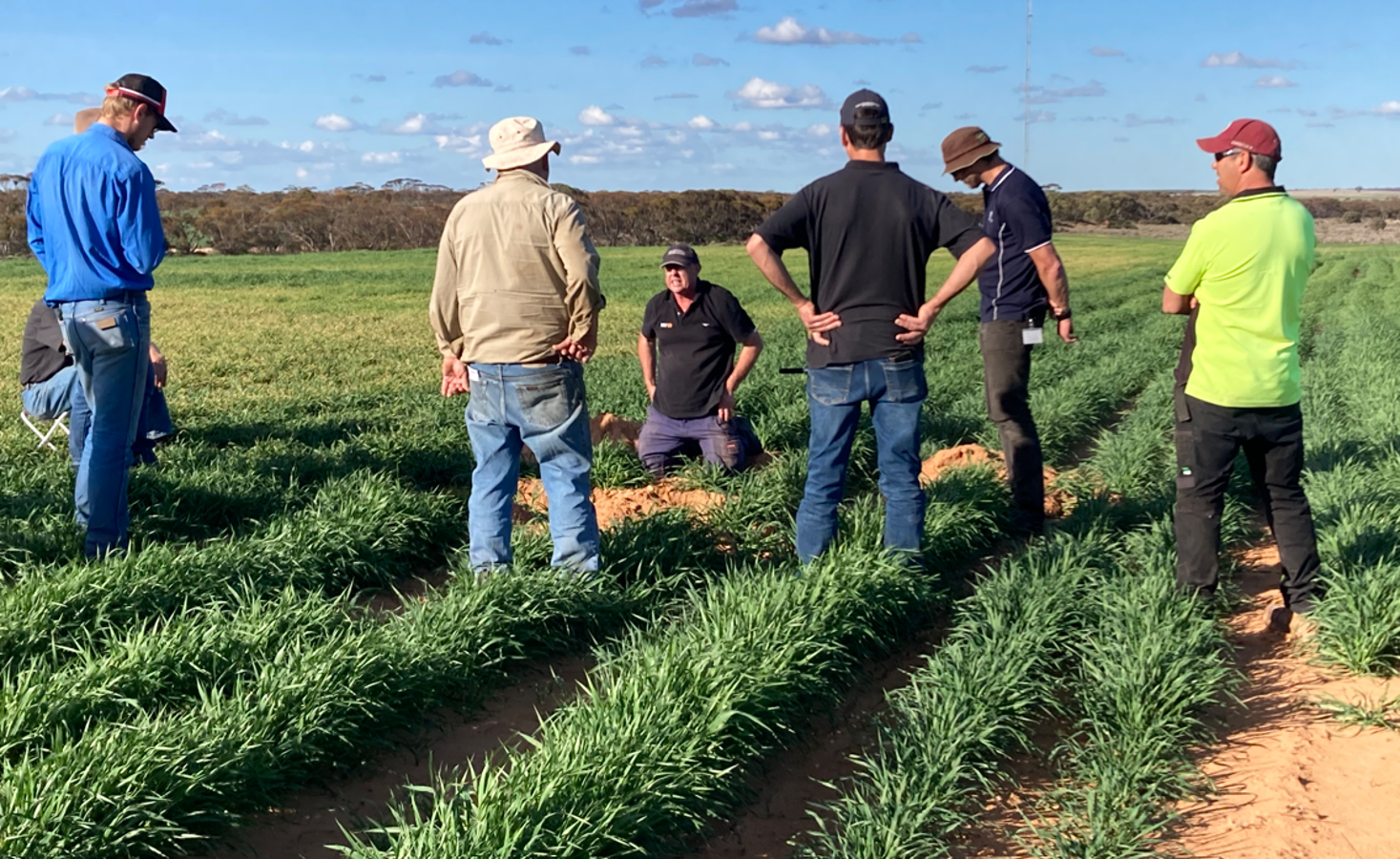
Farmer Innovation Platform: Build a regional network linking farmers, advisers, and researchers through field walks and discussions.
Regional Workshop (July 2026): Share findings and practical guidance on soil health and carbon management.
Case Studies and Knowledge Sharing: Publish farmer case studies via MSF’s Soils Connect and social media.
First Nations Engagement: Collaborate with Indigenous Officers to integrate traditional knowledge and participation.
Monitoring, Evaluation, and Learning (MEL): Use surveys and reports to assess knowledge gains, practice changes, and adoption rates.
This participatory model ensures both farmers and researchers co-develop soil improvement practices tailored to Mallee conditions.
How Can Farmers and Consultants Get Involved?
Farmers, advisers, and consultants are encouraged to join the project’s Innovation Platform—a network connecting growers, agronomists, and researchers who are testing and adopting soil health improvements.
You can:
Attend local field days and workshops to see results firsthand.
Join group discussions to share experiences and help develop best practices.
Contribute on-farm data or case studies that track soil and crop yields.
Follow MSF’s “Soils Connect” channels for videos, podcasts, and updates on soil health and carbon-friendly farming.
For more information or to get involved:
Mallee Sustainable Farming (MSF)
Email: info@msfp.org.au
Factsheet
Acknowledgments
This project is supported by the Australian Government through funding from the Natural Heritage Trust under the Climate Smart Agriculture program.
Working together with farmers
Other MSF Projects