Derisking the Seeding Program – Key Insights from SA Mallee Trials
In the unpredictable climate of the SA Mallee, early sowing decisions can be tricky. Low rainfall and variable conditions make it hard for growers to confidently choose the right strategy. But recent trials from the ‘Derisking the Seeding Program’, delivered by Mallee Sustainable Farming (MSF), are providing valuable insights.
In 2024, growers at trial sites in Meribah and Copeville tested early and deep sowing methods. Key questions included:
- Does sowing barley deeper to access subsoil moisture improve establishment and yields?
- Do longer coleoptile barley varieties offer benefits when deep sowing?
- Can deeper sowing help avoid crop damage from pre-emergent herbicides?
What Did the Trials Show?
Crop Establishment:
- At Copeville, deeper sowing (80 mm vs. 30 mm) slightly improved establishment, averaging 117 plants/m² compared to 95 plants/m² for shallow sowing.
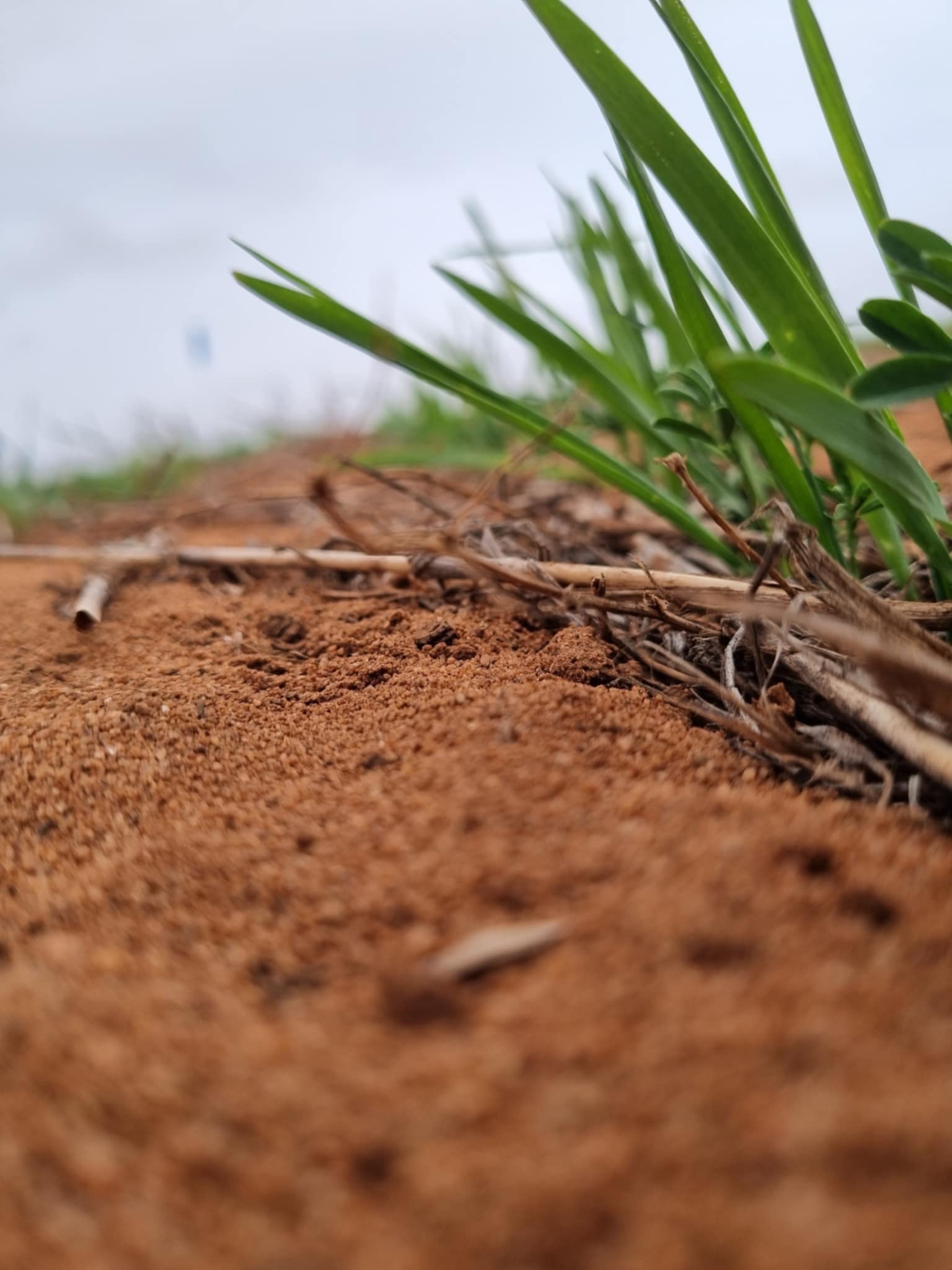
- At Meribah, establishment varied significantly, with no clear increase in plant number from deep sowing. However, deeper sowing did produce earlier emergence and visibly better biomass.
Grain Yield:
- At both sites, deeper sowing led to slightly higher yields (at Copeville, 2.5 t/ha deep vs. 2.2 t/ha shallow; at Meribah, 1.5 t/ha deep vs. 1.4 t/ha shallow).
Although these yield increases weren’t statistically significant (there was great variation between plots due to frost and drought stress), they do suggest there is a place for deep sowing into moisture. More work is needed in further seasons to better understand the long term benefits.
Grower Observations:
Crop walks in August gave local growers a chance to see the trials first-hand. Conversations focused on the pros and cons of sowing early into dry soils, and what sowing depths to target. Drawing from farmer experience within the Meribah and Copeville areas, it was clear that sowing crops early, prior to the late May rain, was a clear winner in the SA Mallee in 2024. Farmers were also interested to see that in Mallee soils, particularly on sandy rises, even the relatively short coleoptile varieties seemed capable of emerging from a deeper seeding depth.
Though no herbicide damage was seen in 2024, the site also gave Mallee farmers a great opportunity to discuss pre-emergent herbicide options for dry seeding.
Agronomist’s Insights:
SA agronomist Jeff Braun noted these trials provided a great platform for discussing early and deep sowing. Key takeaways include:
- You can confidently chase subsoil moisture in the Mallee, even with shorter coleoptile varieties.
- Early establishment generally leads to improved growth and yields.
- Successful early sowing depends on good rotations, low weed pressure, appropriate machinery, and timely farm operations.
With subsoil moisture scarce in 2024, many farmers are sowing dry at standard depths this yea, but these findings do equip growers with better knowledge for seasons ahead.
Stay tuned as MSF continues to explore effective sowing strategies for our low rainfall cropping zone.

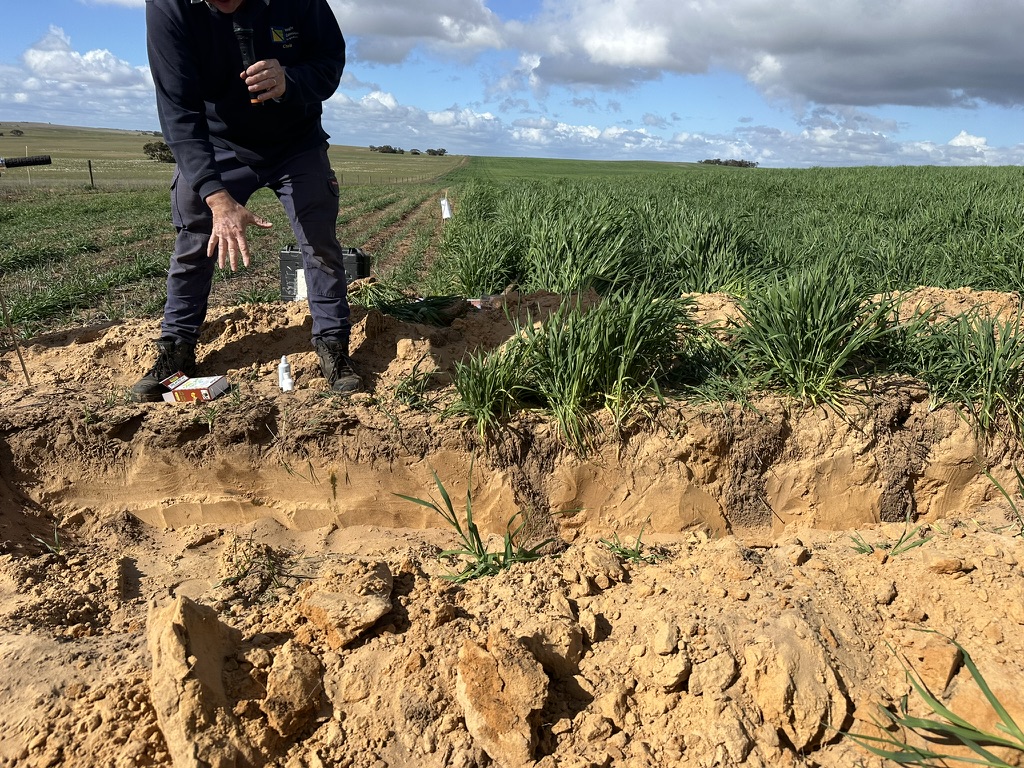
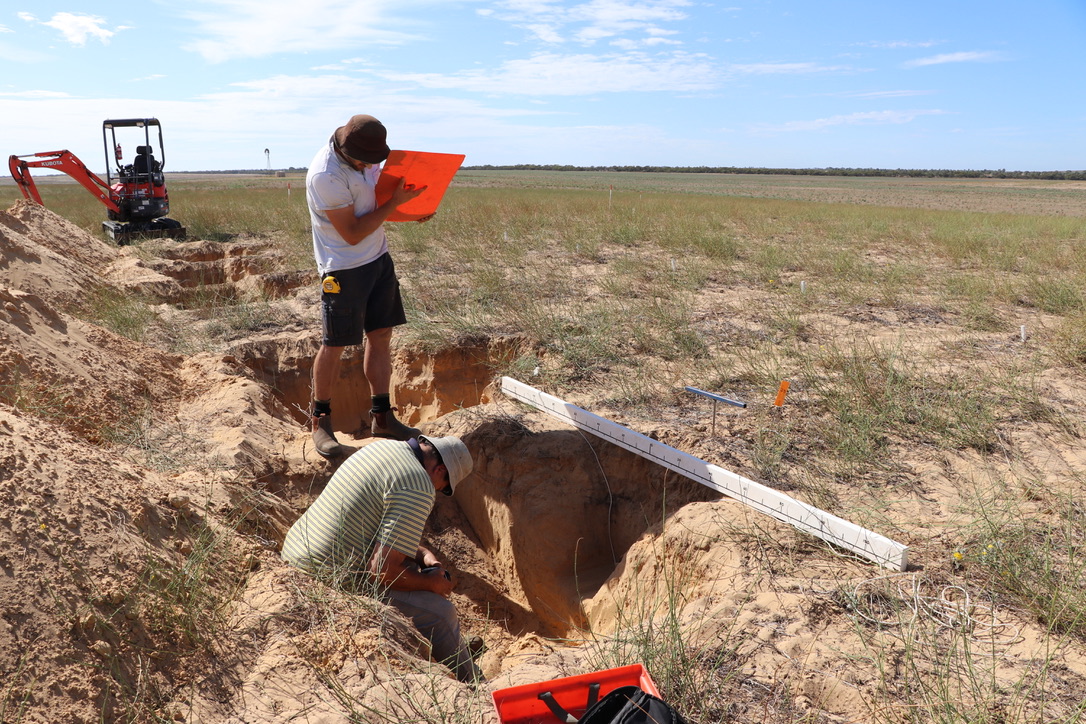
MSF research manager Dr Penny Roberts assessing emergence and seeding depth of barley at Adam Flavel’s property at Meribah in early July 2024.

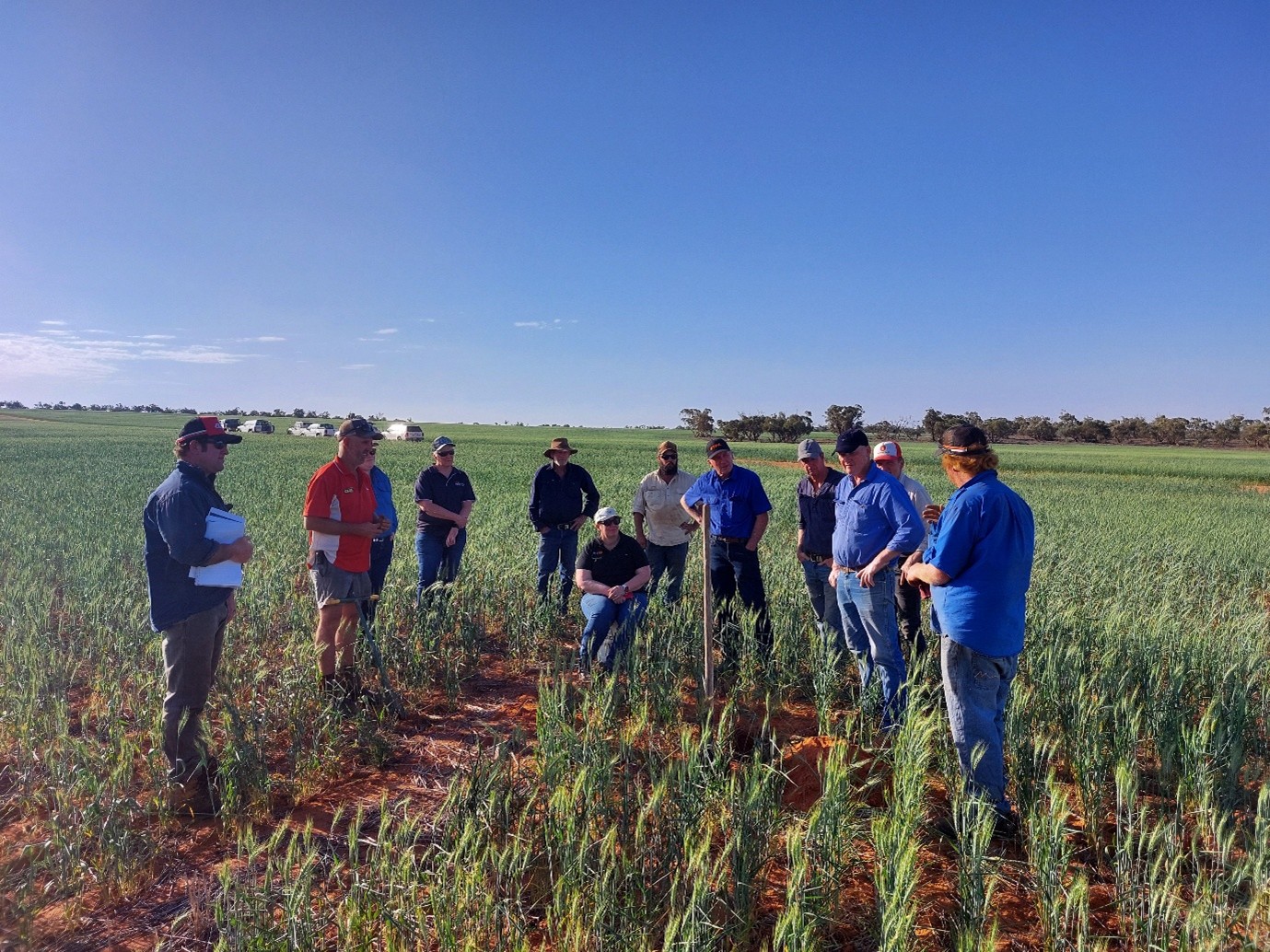
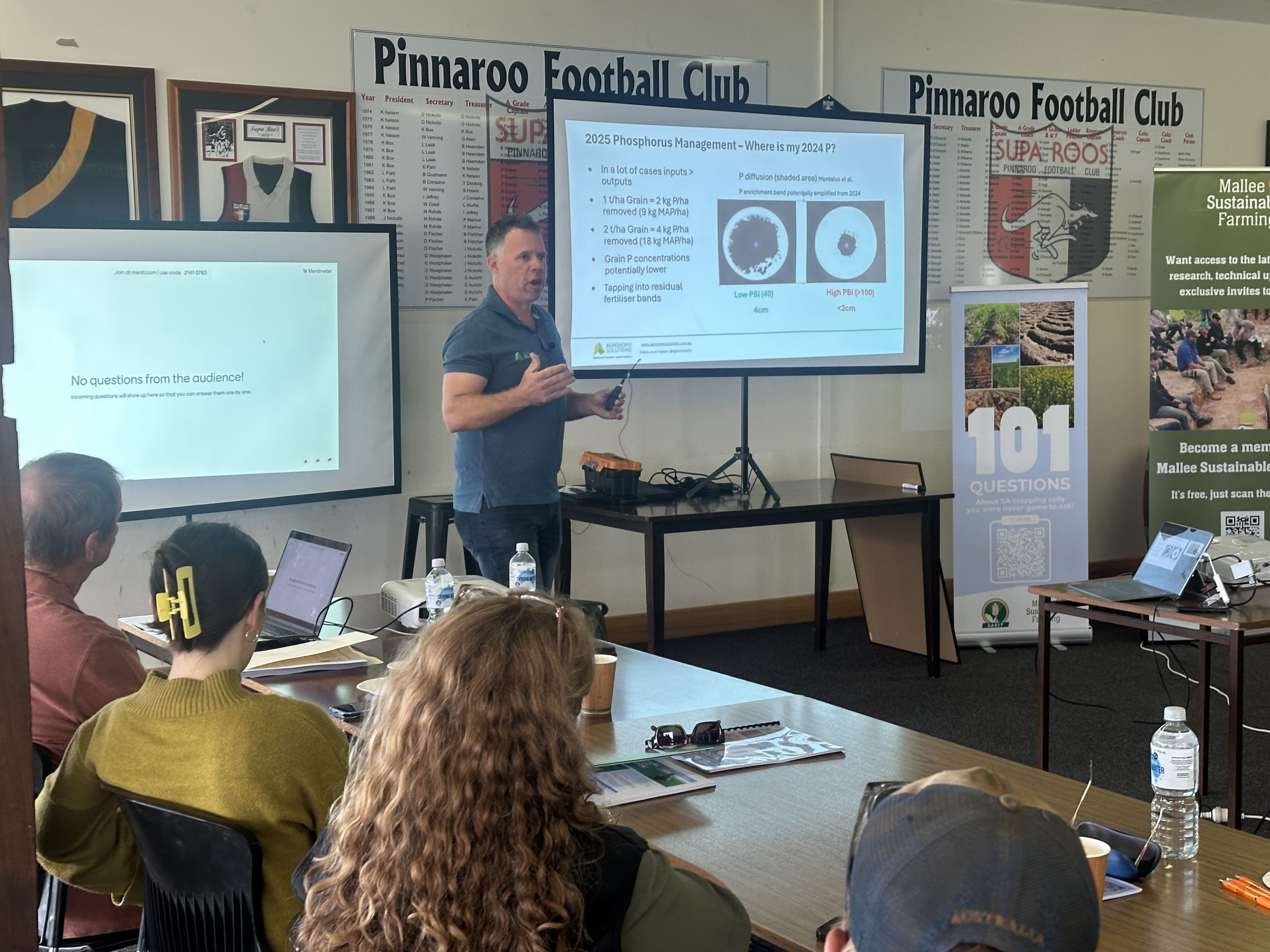
Farmers discussing early sowing and herbicide safety with Jeff Braun and Prof. Chris Preston at Meribah in August 2024.
This work was supported by the Australian Government’s Future Drought Fund